


Technology
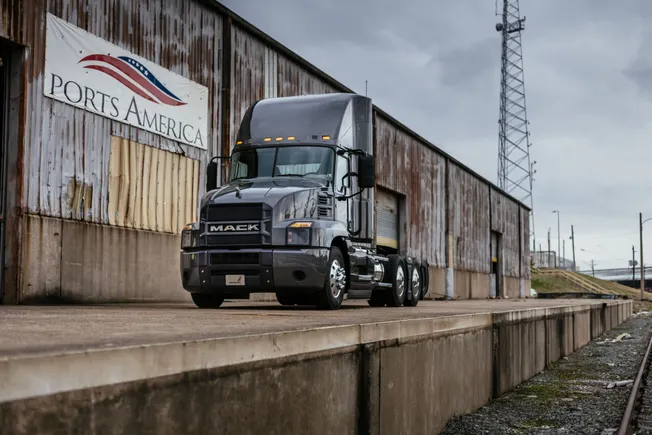
Volvo Trucks and Mack Trucks, both Volvo Group brands, have rolled out diesel exhaust fluid (DEF) inducement software updates, following similar moves by Daimler Truck North America and Paccar. The updates, announced via July 27 press releases, aim to give fleets more time to address DEF system issues before engine derate or speed restrictions kick in. Volvo has applied the software to new D13 VGT and D13TC engines since May 2026, while Mack is installing it on new Anthem and Pioneer models with MP13 engines. Both plan to extend updates to all post-2010 vehicles by end of 2027, aligning with EPA's proposed elimination of DEF-related derates.
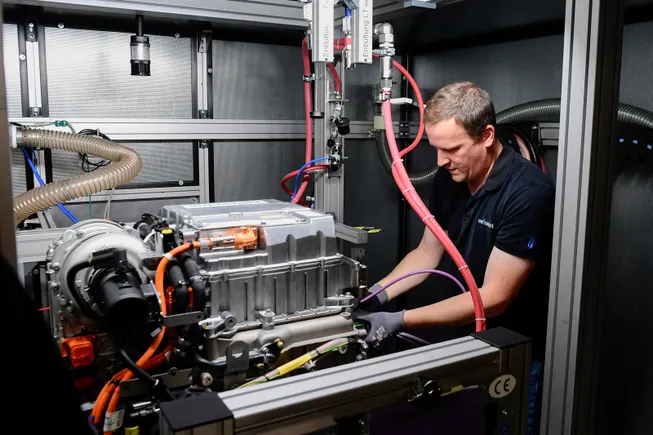
Toyota Motor announced the signing of a binding agreement to officially join cellcentric, a hydrogen fuel cell company founded by Volvo Group and Daimler Truck in 2021, as an equal shareholder. This move aims to strengthen cellcentric's leading position in fuel cells for heavy-duty commercial vehicles and promote the development of the hydrogen supply chain and infrastructure. The transaction is expected to be completed in early 2027, pending regulatory approval.
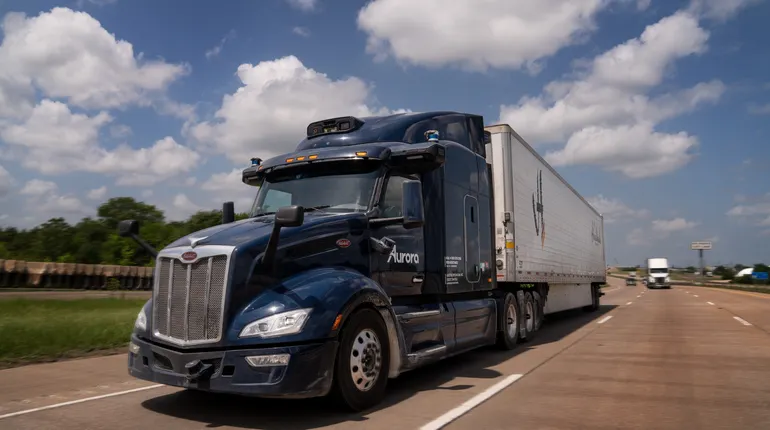
Aurora Innovation executives said during an analyst call on July 29 that the company is transitioning from technology validation to commercial scale-up, with second-generation truck hardware costs expected to drop by more than 50%, and plans to deploy over 200 driverless trucks by the end of the year.
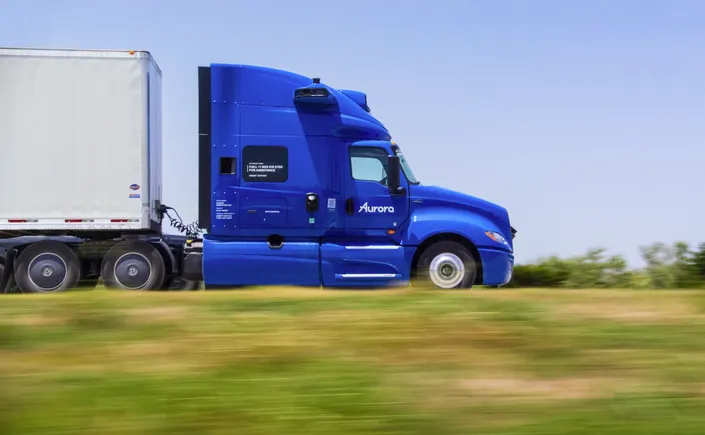
Aurora Innovation has reached commercial agreements with two carriers, planning to begin supervised autonomous transport in Q3 and transition to daily driverless operations in Q4. The collaboration involves second-generation driverless trucks, covering routes such as Phoenix to Fort Worth and Dallas to Laredo.
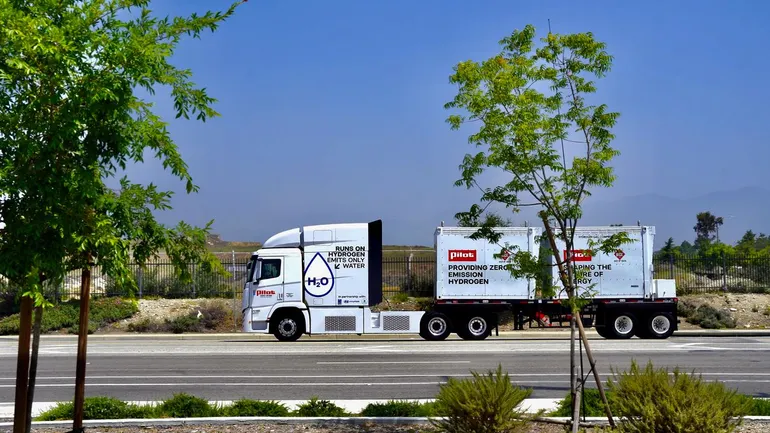
A report released by the North American Council for Freight Efficiency (NACFE) shows that during last year's 'Run on Less – Messy Middle' demonstration, Hyundai Xcient hydrogen fuel cell Class 8 tractors operated by Penske Logistics and Pilot demonstrated 'real operational promise' in return-to-base and long-haul freight corridors, but cost and infrastructure remain constraints.
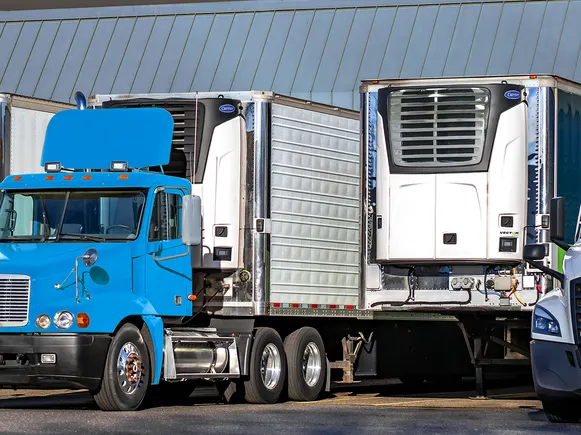
Carrier Transicold has introduced the Fleet Refresh program, where dealers handle removal and installation of new equipment, paired with Lynx Fleet telematics and BluEdge monitoring services, applicable to X4 and Vector series units, aimed at helping fleets extend the life of existing trailer assets.
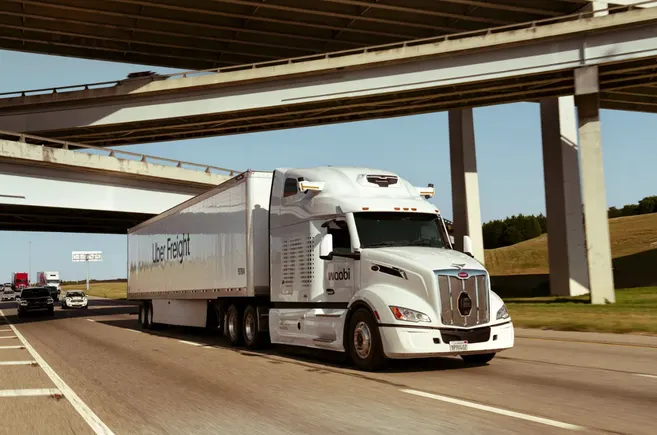
On June 26, Waabi announced that its autonomous driving system, Waabi Driver, has successfully migrated from the Peterbilt 579 to the Volvo VNL Autonomous without additional engineering, data collection, or retraining. This "generalized zero-shot migration" capability is seen as a key step toward the large-scale deployment of autonomous driving.
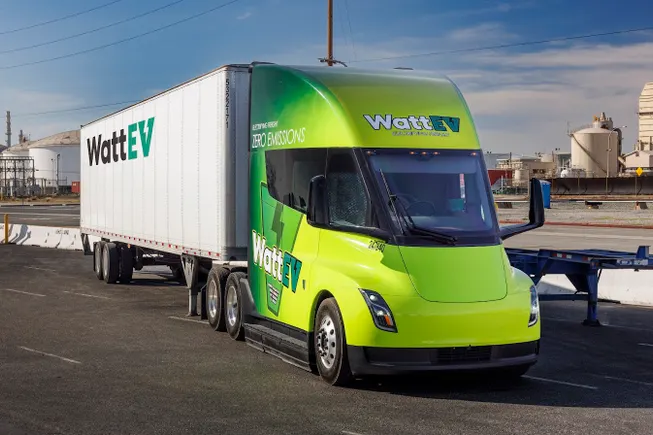
Electric truck operator WattEV opened its northernmost charging station in Fresno, California, on June 30, as part of its expansion into Northern California. The site is equipped with 15 DC fast chargers and 7 megawatt-level chargers, with grid upgrades planned for completion by mid-2028. The company also plans to add sites near Oakland, Stockton, and Sacramento International Airport, and expand to Salem, Oregon, and Nevada.

Following its separation from FedEx, FedEx Freight has significantly improved customer experience metrics through process simplification, sales team strengthening, and deployment of new technologies. President John Smith revealed an 8% quarter-over-quarter increase in Mastio scores and projected revenue growth of 4% to 6% year-over-year for the remaining seven months of 2026.

Quarterhill announced it has been awarded a $2.5 million contract by the Illinois Department of Transportation to install and maintain traffic data collection sites in northeastern Illinois, including the Chicago metropolitan area. The initial contract term is three years, with renewal options extending up to ten years.