


Deepseek
来自我们记者的行业洞察

The re-tightening of epidemic prevention measures in places such as California has cast a shadow over the freight industry's recovery prospects. Economists and industry analysts generally believe that freight data for 2020 will record a net loss, with freight volumes possibly declining by 5.7%, and a full recovery may not occur until the second half of 2021.

The US trucking industry is undergoing self-examination regarding racial bias. Black drivers face inequality in financing, networking, and hiring. Industry giants have spoken out following the Floyd incident, but the pace of diversification remains slow.
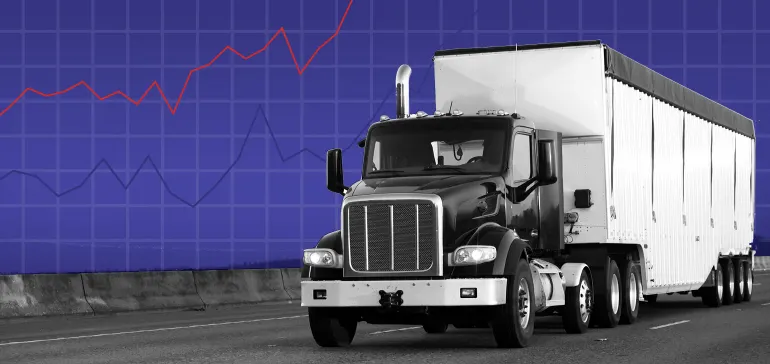
The second quarter that began on April 1, 2020, is widely regarded as a quarter that will go down in economic history—but not for positive reasons. Goldman Sachs predicts a 24% contraction in GDP for this quarter. Freight industry officials are already aware of the bleak outlook for Q2, but the key question is: Will slowdowns and shutdowns trigger a financial crisis and deepen the recession? Or can federal loans, stimulus payments, and expanded Fed credit isolate the pandemic's impact to Q2? As the pandemic may be peaking, the transportation industry is focusing on the post-pandemic trajectory.

At the start of 2020, the U.S. trucking industry had anticipated a recovery, but the global spread of the COVID-19 pandemic disrupted all expectations. FTR data showed that North American Class 8 truck orders unexpectedly dropped 20% in February, and several industry experts and analysts were uncertain about the full-year outlook.
California's AB5 Act is about to take effect, plunging the freight industry into uncertainty due to new rules on independent contractors. Although courts have temporarily blocked enforcement, the industry remains in a wait-and-see mode. This article analyzes the act's potential impact on capacity, costs, and compliance strategies, citing views from multiple industry experts and legal professionals.