


Latest news

A survey released by Littler Mendelson on March 5 shows that in 2025, the Trump administration's policy shifts in diversity, equity, and inclusion (DEI) and immigration have a significantly greater impact on employers than other areas such as artificial intelligence. The survey covered more than 300 employer representatives, and results show that the impact ratios of DEI and immigration policies are more than twice those of other categories. After restoring a quorum, the EEOC quickly rescinded the Biden-era workplace harassment guidance, raising uncertainty over the interpretation of Title VII. On immigration, 65% of surveyed employers reported being affected by executive orders, involving new asylum application rules, termination of Temporary Protected Status, and increases in H-1B wage standards. Regulatory and economic uncertainty led more than one-third of respondents to lay off workers, while another 30% paused or reduced hiring. Changes in state and local regulations also have broad impacts, leaving employers caught in conflicts between federal and state policies.
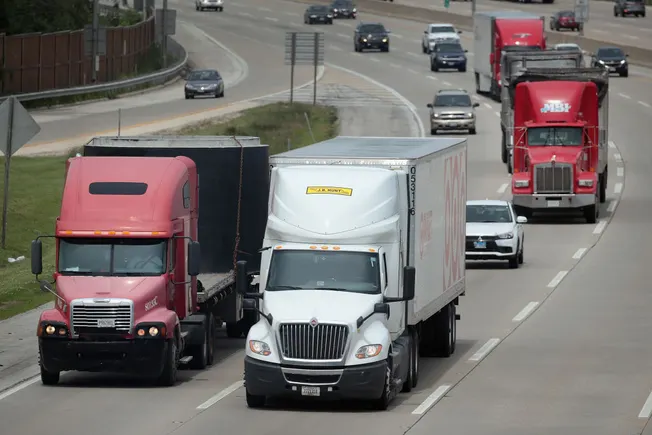
The Massachusetts Department of Transportation announced a partnership with Quarterhill to invest $6.4 million in adding 15 weigh-in-motion stations across multiple interstate highways and state routes, and to deploy a commercial vehicle compliance software platform, aiming to improve road safety and enhance freight data collection capabilities.
The California Department of Motor Vehicles (DMV) issued a statement saying that despite an Alameda Superior Court ruling on March 2 allowing affected drivers to immediately apply for new licenses, the FMCSA's mandatory 'suspension' still prevents the state from issuing non-resident commercial driver's licenses (CDLs), causing applications from approximately 13,000 drivers to be delayed for up to one year.
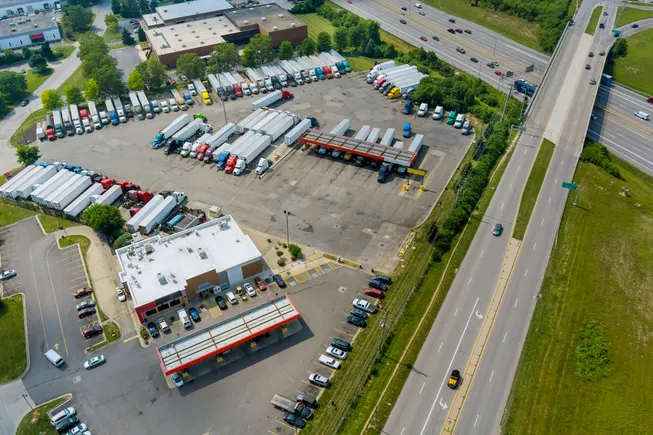
FMCSA issued a final rule on February 19, eliminating the requirement that certification labels for trailer rear impact guards be permanently retained. The new rule takes effect on March 23, responding to long-standing industry concerns about label wear and difficulty in reading, but it does not overturn the National Highway Traffic Safety Administration's requirement for manufacturers to meet safety standards at the time of production.
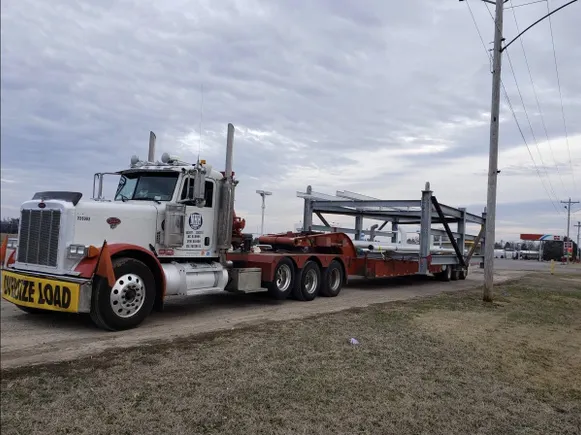
Ace Doran, an Ohio-based flatbed, heavy-haul, and specialized transportation company, announced the acquisition of equipment from NHH Services of Indiana, along with its drivers and office personnel, to form a new division. This move aims to expand its share of the heavy-haul market and support nationwide transportation operations.
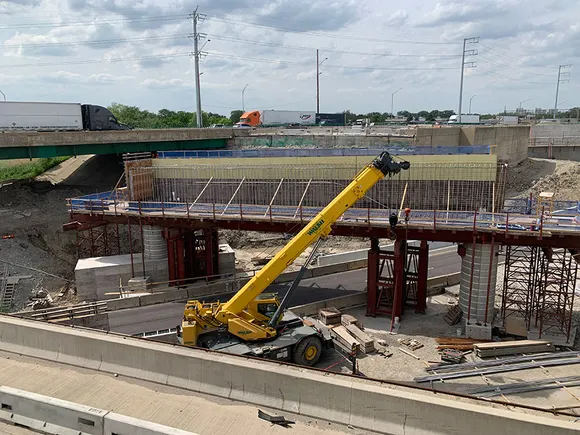
The American Transportation Research Institute (ATRI) released its 2026 annual report on the top 100 truck bottlenecks in the U.S., with the I-294 and I-290/I-88 interchange in Chicago's western suburbs ranking first for the first time. This interchange handles over 300,000 vehicles daily and is currently in the midst of a six-year, $800 million reconstruction project, slated for completion by the end of 2027. The report also shows that the average speed of trucks during peak hours nationwide decreased by 2.8% compared to the previous year, and traffic congestion adds $109 billion annually to consumer goods costs.
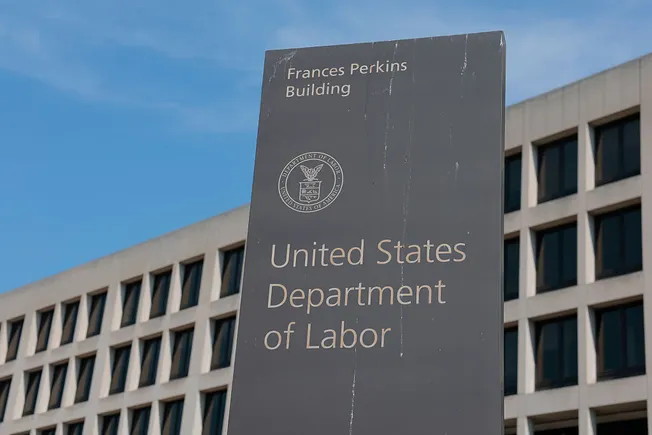
The U.S. Department of Labor plans to rescind the Biden-era 2024 independent contractor rule and re-adopt the 'economic reality test' to determine worker status, a move supported by trucking associations but sparking debate over workers' rights.
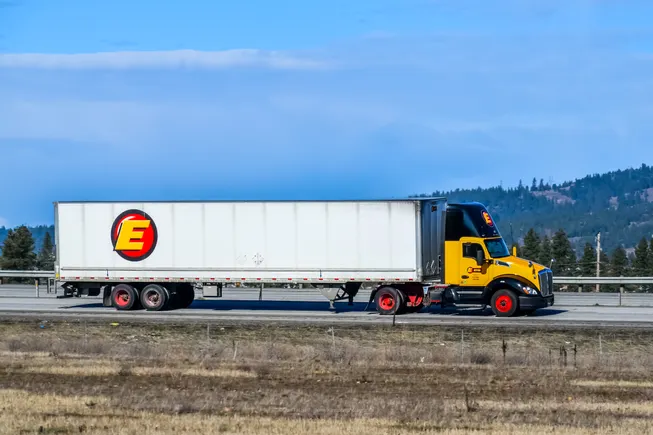
Estes Logistics, a subsidiary of Estes Express Lines, announced the acquisition of Washington State family-owned business Key Trucking effective January 1, significantly expanding its footprint in the Pacific Northwest. The acquisition brings over 25 power units and 100 trailers, with all employees retained. Key Trucking will serve as a vital gateway for Estes Logistics to Alaska, and its existing customers will continue to receive the same level of service while gaining access to Estes' scale and resources.
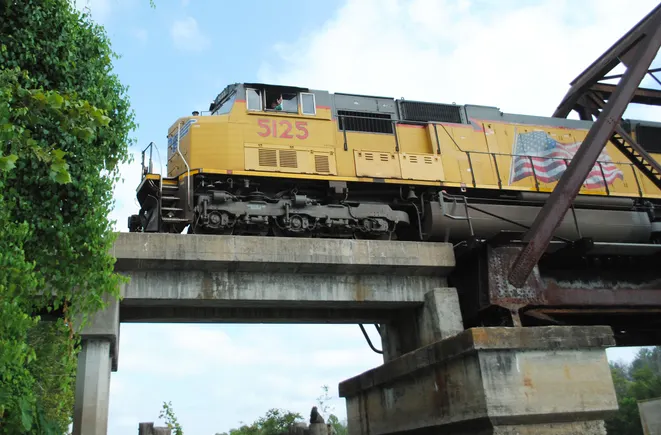
Union Pacific (UP) plans to acquire Norfolk Southern (NS), and if the deal is approved, it would create a rail giant spanning the North American continent with a total mileage of 52,215 miles, far surpassing the other four Class I rail systems. Based on 2024 financial data and industry analysis, this article reviews the potential impact of the merger on market structure, rate competition, and supply chains, and presents the differing positions of rail companies, shippers, and regulators.
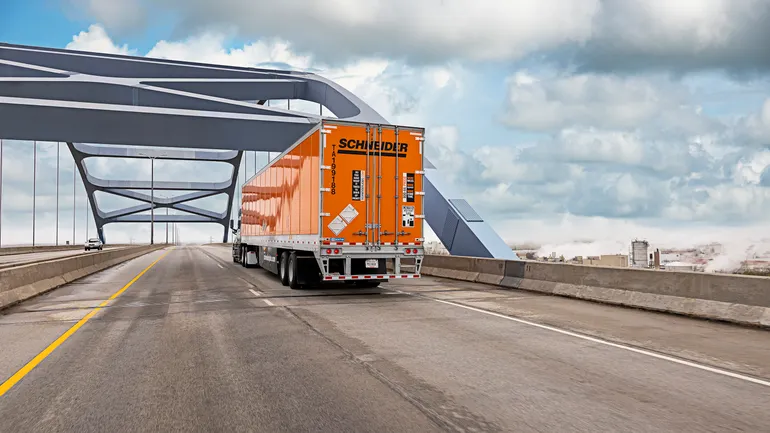
Schneider National released its financial results on January 29, showing a 14% year-over-year decline in fourth-quarter operating profit to $36.5 million, primarily due to weak freight demand and lower volumes. The company expects full-year 2026 earnings per share of $0.70 to $1.00. Despite the overall profit decline, the business from the Cowan Systems acquisition boosted truckload segment revenue by 9% year-over-year to $49.9 million. Management emphasized growth resilience in specialized areas such as food and beverage, home improvement, and automotive parts, and plans to continue expanding its dedicated transportation business.