


Latest news
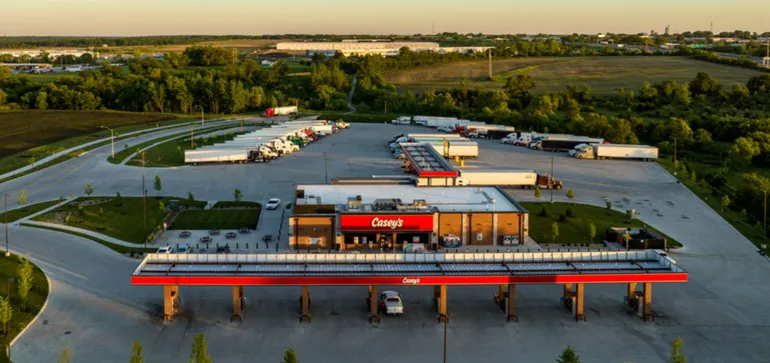
Traditional convenience store operators like Casey's, QuikTrip, and RaceTrac are actively expanding their travel center businesses to capitalize on higher profit margins, greater customer traffic, and longer industry life cycles. Experts note that travel centers offer significant advantages in scale, product variety, food service, and diesel sales, while also being better positioned to accommodate future electric vehicle charging needs. However, entering this sector involves challenges such as substantial capital investment, operational complexity, and talent shortages, and competing with established truck stops like Pilot and Love's may be disadvantageous without fuel supply agreements.
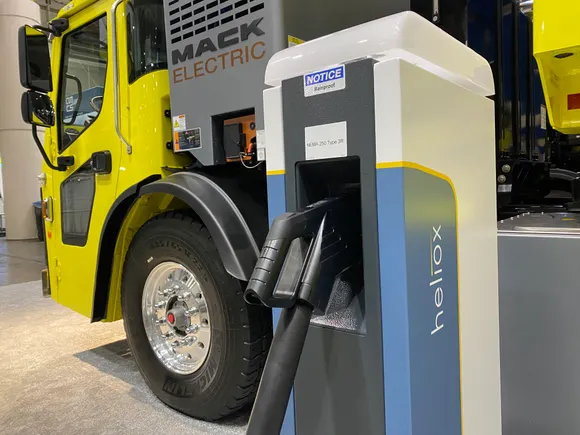
The California Air Resources Board (CARB) adopted the Advanced Clean Fleets Rule on April 28, requiring garbage and wastewater hauling fleets to achieve 10% zero emissions by 2030 and 100% by 2042. Industry executives at the WasteExpo investor summit warned that battery-electric trucks still cannot compete with CNG or diesel vehicles in terms of cost, payload, and range, with charging infrastructure being the biggest bottleneck. Leading companies like Republic Services have begun purchasing electric trucks, but smaller haulers face greater challenges.
BlackRock and Vanguard adjusted their holdings in several trucking companies at the end of 2022. The analysis shows that the two institutions increased holdings in the same direction for targets such as Knight-Swift and Forward Air, but diverged on Old Dominion Freight Line. Experts pointed out that changes in holdings may not predict future returns of individual stocks, and the differences may reflect strategic distinctions between active management funds and index funds.
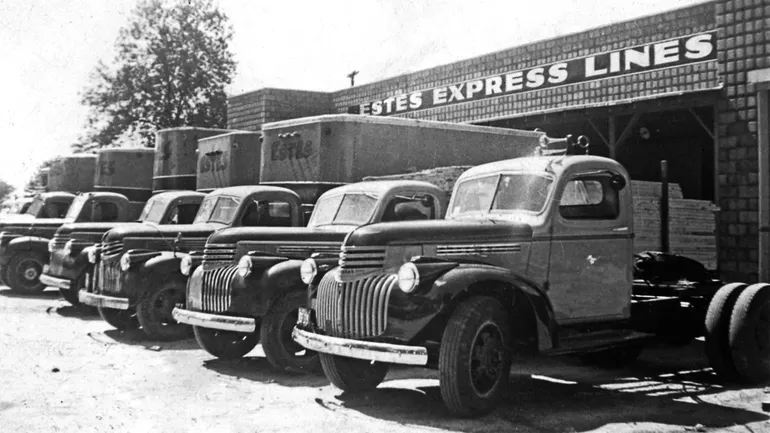
In the 1930s, J. Harwood Cochrane, Lillian and Earl Congdon Sr., and W.W. Estes each founded family trucking businesses in Richmond, Virginia, initially transporting agricultural products such as eggs, milk, and livestock. A century later, Overnite Transportation Co., Old Dominion Freight Line, and Estes Express Lines have grown into leading LTL carriers in the United States. This article traces the growth trajectories of these three companies, analyzing how Richmond's geographic advantages, mutual assistance and competition among families, and non-union strategies jointly shaped their industry positions.
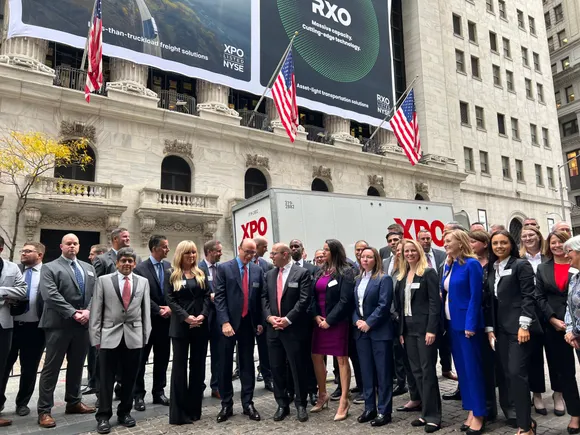
XPO Logistics completed the spin-off of its truck brokerage business on Tuesday, with the new company RXO becoming independent. Founder Brad Jacobs stepped down as CEO and transitioned to chairman of both companies. The new CEOs of RXO and XPO both stated they would continue to follow Jacobs' strategy of technology integration and shareholder value, and expect growth amid market uncertainties in 2023.
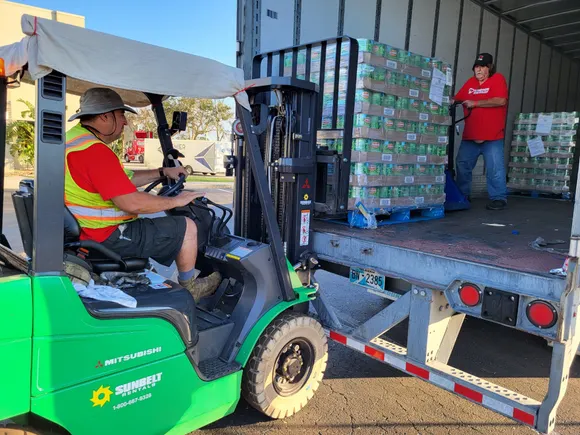
After Hurricane Ian devastated Florida, volunteers like truck driver Joe Myerly transported food and supplies to disaster areas through organizations such as Operation BBQ Relief. Networks like the American Logistics Aid Network provided free transportation support, enabling the nonprofit to supply 60,000 to 80,000 meals daily, with plans to eventually reach 100,000 per day, and an overall goal of distributing one million meals.
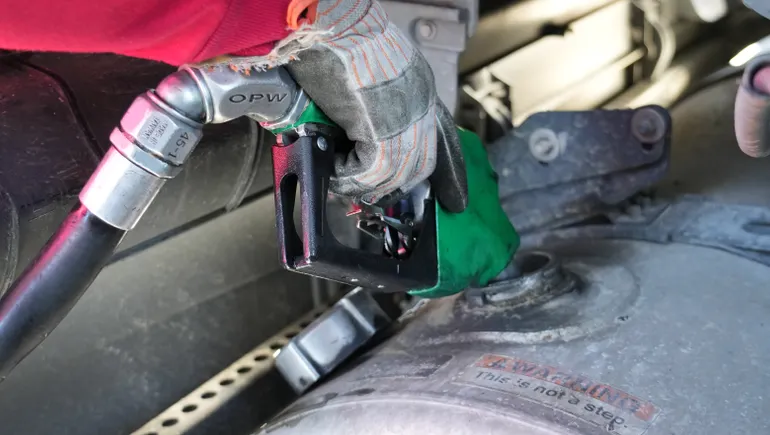
Maryland and Georgia recently implemented fuel tax relief to address high oil prices, but trucking industry representatives believe this provides little help to trucking companies operating across state lines. The International Fuel Tax Agreement (IFTA) requires drivers to pay taxes to each state based on miles driven, which may offset the savings from lower fuel prices. The American Trucking Associations (ATA) opposes such policies, concerned about impacts on infrastructure funding sources. Georgia is considering exempting IFTA-related mileage taxes, while Maryland faces infrastructure funding gaps.
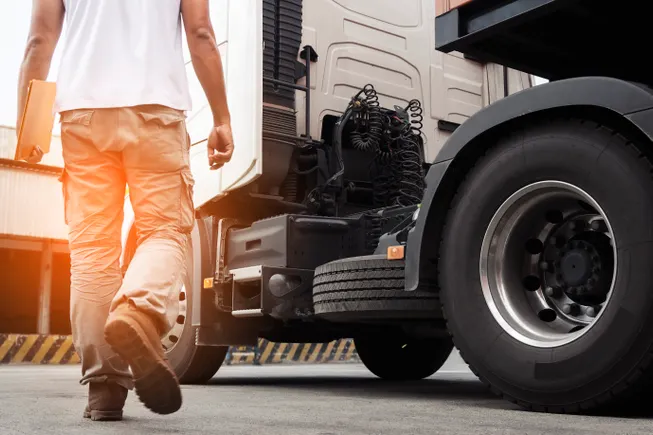
The pandemic has left truck drivers facing more severe loneliness, anxiety, and depression. Experts point out that mental health directly affects safety and performance, and companies need to provide more support while breaking the stigma within the industry.
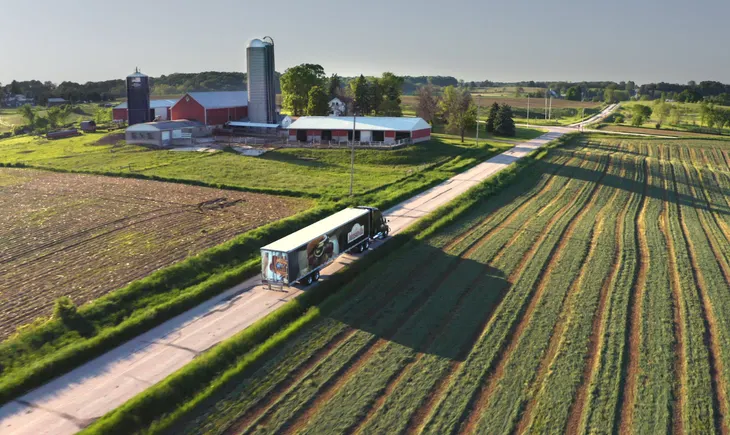
Persistently rising trucking rates and tight capacity are profoundly impacting the food supply chain. Facing high spot rates for refrigerated trucks, equipment shortages, and transportation delays, food producers and ranchers are adopting strategies such as shifting to less congested ports, expanding in-house transportation fleets, and enhancing communication with upstream and downstream partners to mitigate market shocks and ensure cargo delivery.
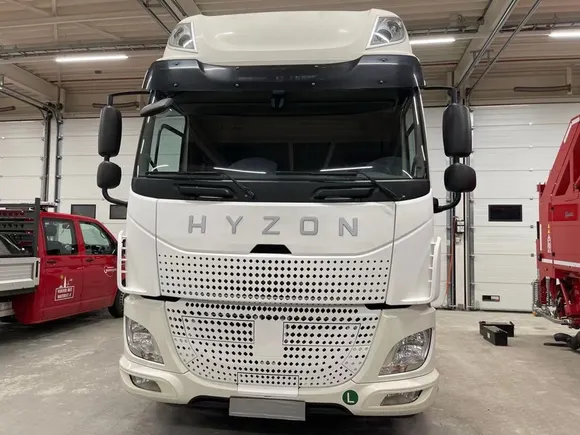
Regarding alternative technology routes to replace diesel Class 8 trucks, the competition between battery-electric vehicles (BEVs) and hydrogen fuel cell vehicles (FCEVs) entered a new phase in early 2022. Data shows that the number of Class 8 BEVs in operation in North America is estimated between 4,000 and 5,000 units, while FCEVs may number fewer than a few hundred. On the policy front, the U.S. bipartisan infrastructure law allocates $7.5 billion for electric vehicle charging networks. However, hydrogen proponents argue that hydrogen fuel still holds advantages in long-haul transportation and specific operating conditions. OEMs such as Daimler and Traton have clearly prioritized pure electric routes, but companies like Volvo insist on pursuing multiple technology routes in parallel.