


Latest news

In 2020, California wildfires burned over 4.25 million acres, and the 2021 fire season is expected to be worse. As logistics networks expand in densely populated areas, wildfires are threatening key nodes such as warehouses, highways, and railways. This article analyzes the specific impacts of wildfires on supply chains and introduces how companies can enhance resilience through data tools, emergency drills, and insurance strategies.
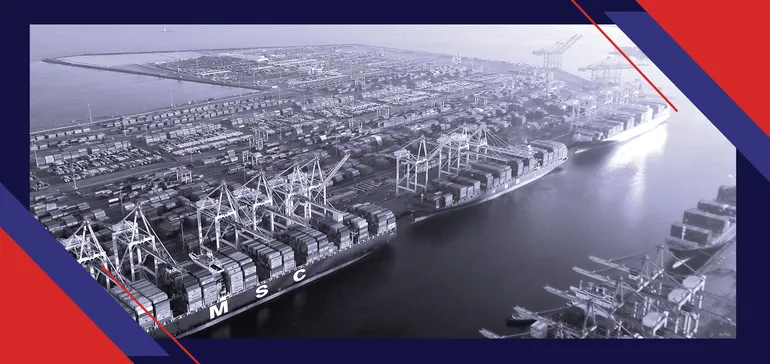
Based on in-depth reporting on cases such as the Port of New York and New Jersey and the Port of Los Angeles, this article analyzes recovery experiences and resilience-building progress at ports following extreme weather events like Hurricane Sandy. Experts note that port supply chains are highly interconnected, but most ports lack formal climate resilience planning, and there are no mandatory federal standards.
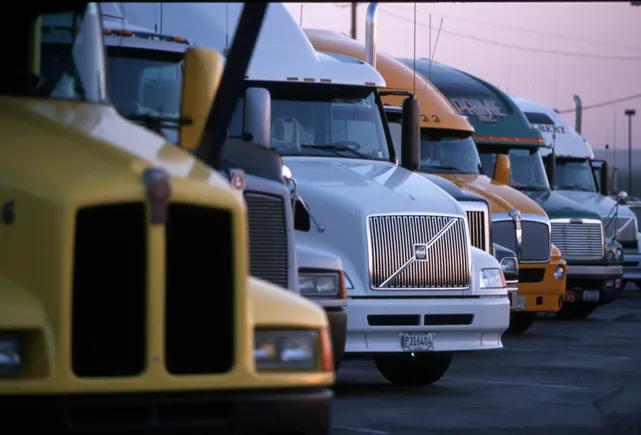
The freight industry saw a strong recovery in 2021 with spot prices soaring, but experts believe this boom will not quickly turn into a bubble. Capacity constraints, driver shortages, and supply chain bottlenecks serve as natural guardrails for the market, allowing the industry to maintain cautious optimism amid strong demand.

Moderna, Pfizer, and Johnson & Johnson vaccines have received FDA emergency use authorization, and AstraZeneca plans to submit for review. Multi-vaccine supply chains and global distribution amplify security challenges. Industry experts point out that zero trust strategies, real-time visibility tracking, distributed ledgers, and digital authentication can effectively prevent hackers and counterfeiting. Based on insights from multiple executives, this article analyzes the application scenarios and value of these four tools.
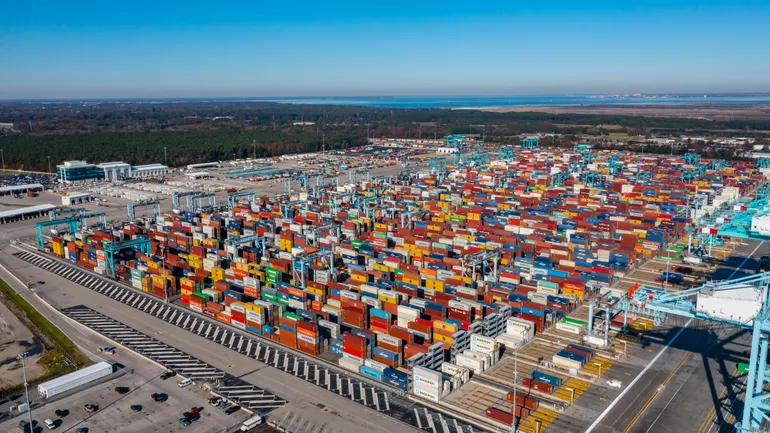
After peaking in February, the number of vessels waiting outside the ports of Los Angeles and Long Beach declined in late March, and full truckload spot rates dipped slightly. However, the latest weekly data shows no sign of a long-term decline in import volumes, and capacity and rates in Los Angeles and Ontario are tightening again. The Suez Canal grounding incident, surging e-commerce demand, and driver shortages are expected to keep spot rates elevated in the coming months.

Obstructive sleep apnea (OSA) is highly prevalent and often overlooked among long-haul freight drivers, not only seriously harming health but also significantly increasing accident risk. This article analyzes the causes, costs, and countermeasures of this 'slow-moving killer' from the perspectives of drivers, experts, and transportation companies.
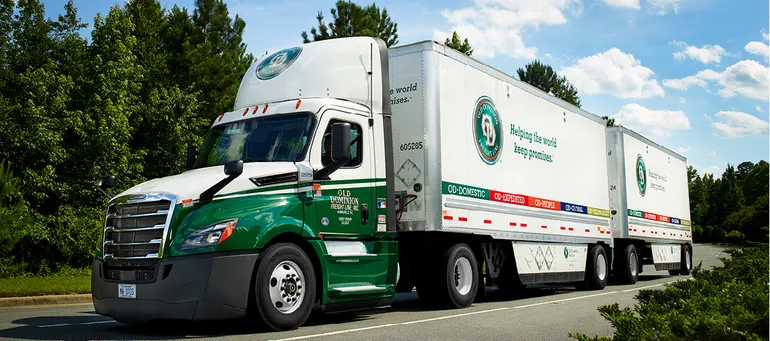
Old Dominion Freight Line is evaluating and expanding its service hub network using the "door pressure" metric to address e-commerce-driven LTL demand. The company recently added nine new hubs but faces challenges such as land scarcity, zoning approvals, and rising costs. Despite competitive pressures, the company insists on not reducing services, and its operating ratio continues to lead the industry.
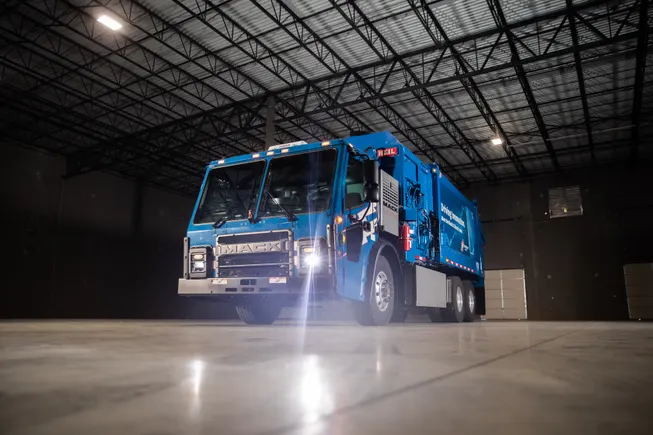

The COVID-19 pandemic has led to a sharp decline in driving and a sharp drop in fuel tax revenue, further exposing the long-standing structural flaws in the U.S. fuel tax system. State transportation departments face budget shortfalls of billions of dollars and are forced to cut projects. Although Congress has temporarily avoided reform with a one-year extension, alternatives such as vehicle miles traveled (VMT) fees are gaining more attention.
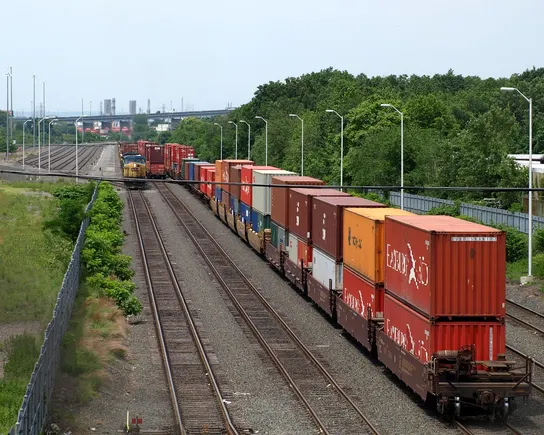
When trucking spot rates are high, shippers begin considering rail intermodal. This article explores the competitive landscape between truck and rail, analyzing their respective strengths and limitations, and cites expert views from ACT Research, DAT, and other organizations.