


Regulation

The American Transportation Research Institute (ATRI) announced that it will prioritize research on six topics in 2026, including disruptive weather response, industry reputation maintenance, and best practices in driver training. This is the first time since 2019 that the annual research list has exceeded five items. Andy Owens, chairman of ATRI's Research Advisory Committee, stated that this year's topics reflect the current environment in which the industry operates.
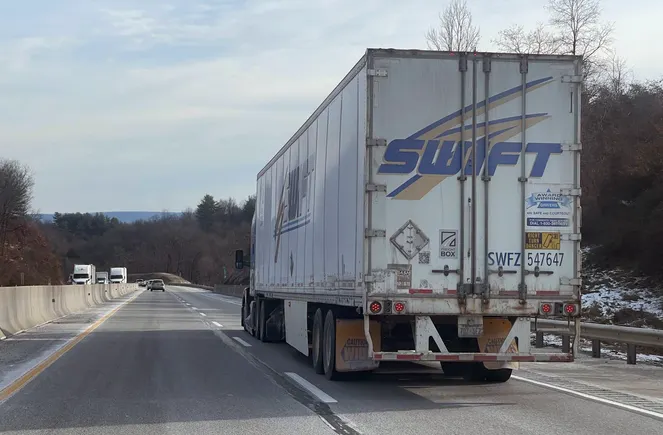
Knight-Swift Transportation Holdings CEO Adam Miller noted on the Q1 earnings call that federal regulatory changes, including stricter English proficiency requirements that took effect last year, are driving capacity out of the market, helping to address unsustainable rates and non-compliant carriers. The company's Q1 revenue increased 1.4% year-over-year to $1.85 billion, but operating income decreased 57.1% year-over-year to $28.6 million.
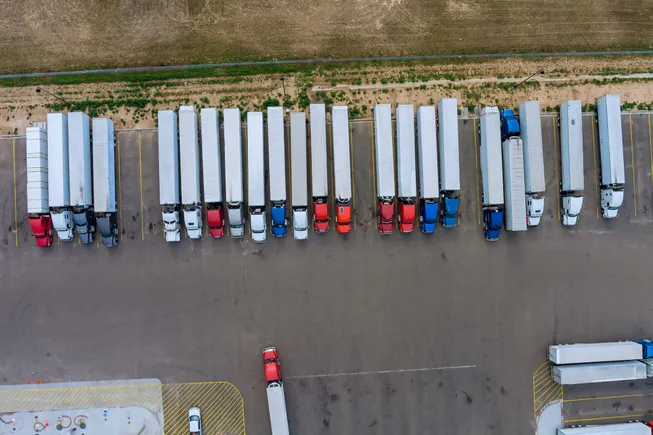
According to an FMCSA notice issued on April 7, UCR program and agreement fees are proposed to increase by an average of 20% starting with the 2027 registration year to cover an estimated $21.8 million agency shortfall. Increases range from $9 for single owner-operators to over $9,000 for large trucking companies. The public may submit comments by May 7.
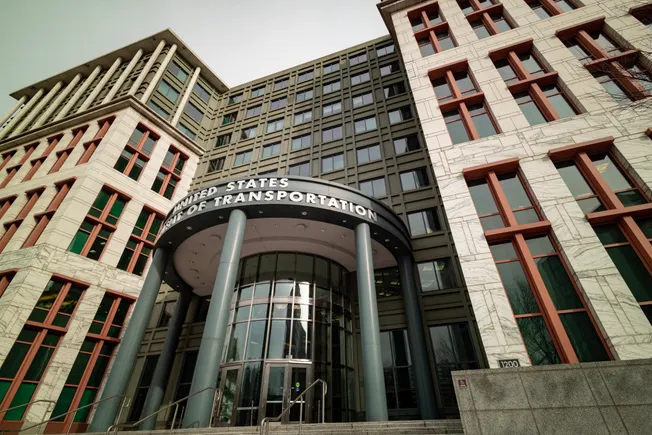
FMCSA informed New York State on Thursday that it will lose $73.5 million in federal highway funds due to deficiencies in its standards for issuing non-resident commercial driver's licenses and commercial learner's permits. The issue stems from a July 2025 audit involving identity document management for individuals who are not U.S. citizens or lawful permanent residents. FMCSA Administrator Derek Barrs called this an "unacceptable and significant safety risk" and warned that the state's CDL program could face decertification.
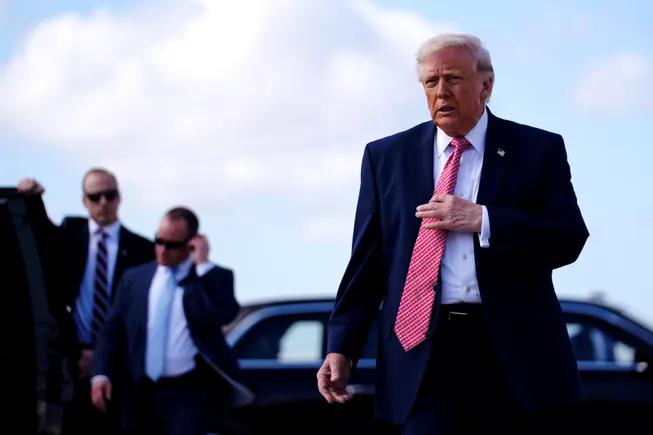
U.S. President Trump signed a proclamation adjusting the tariff calculation method for Section 232 on imports of steel, aluminum, copper, and derivative products. The new rules take effect on April 6: goods made almost entirely of these metals (such as steel coils and aluminum sheets) face a 50% tariff; derivative products substantially made of metals (such as semi-trailers) face a 25% tariff. UK products are subject to lower rates.

The Truck and Engine Manufacturers Association (EMA) has formally filed a motion to intervene in a lawsuit against the U.S. Environmental Protection Agency (EPA), supporting the EPA's repeal of the Phase 3 greenhouse gas standards for heavy-duty vehicles. The standards were originally scheduled to take effect in 2027, but the EPA recently rescinded the 2009 endangerment finding that served as the regulatory basis. Meanwhile, 24 states and multiple cities have filed lawsuits alleging that the EPA violated the Clean Air Act and Supreme Court precedent. EMA argues that the Phase 3 standards did not account for actual market demand and effectively mandated zero-emission vehicles, while environmental groups and state officials criticize the move as departing from scientific consensus and harming public health.

The Dalila Act, proposed in the U.S. Senate, would establish criminal and civil penalties for illegal immigrant residents who obtain or use commercial driver's licenses, and stipulate that the death penalty may apply in related fatal accidents.
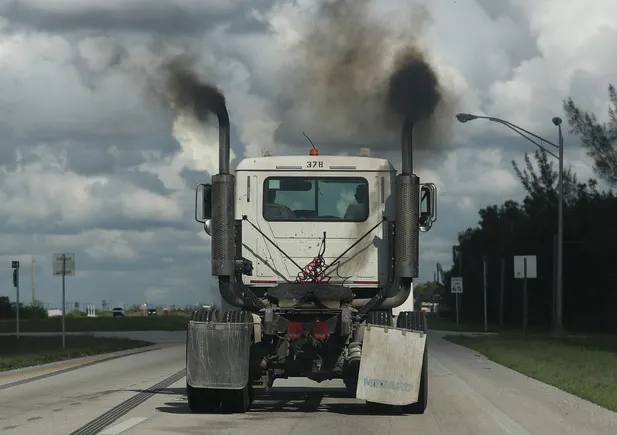
On March 27, the U.S. Environmental Protection Agency revoked the requirement that diesel equipment be equipped with diesel exhaust fluid (DEF) sensors, instead encouraging manufacturers to adopt nitrogen oxide sensor-based monitoring technology, including retrofits for existing equipment. This move was welcomed by trucking industry groups.
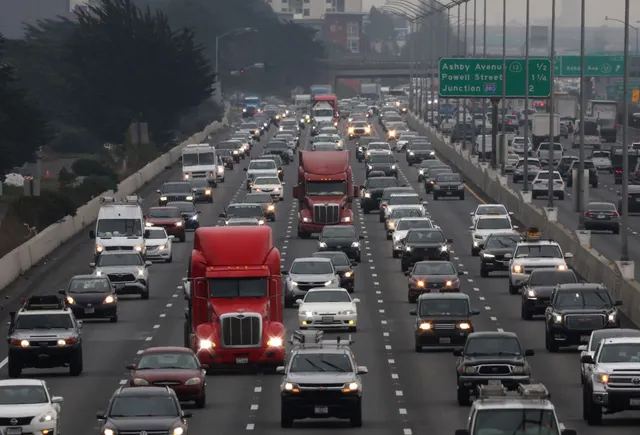
The U.S. House Transportation and Infrastructure Committee passed the Dalilah's Law amendment on March 18 by a vote of 35 to 26, which proposes making English proficiency a condition for issuing commercial driver's licenses (CDLs) and stipulates that non-compliant drivers will be taken out of service. The bill, introduced by Committee Chairman and North Carolina Republican Representative David Rouzer, aims to close loopholes in non-resident CDL programs and enhance safety oversight.
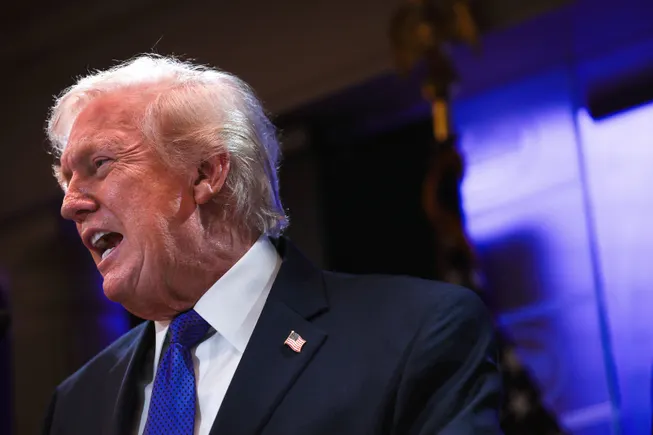
A survey released by Littler Mendelson on March 5 shows that in 2025, the Trump administration's policy shifts in diversity, equity, and inclusion (DEI) and immigration have a significantly greater impact on employers than other areas such as artificial intelligence. The survey covered more than 300 employer representatives, and results show that the impact ratios of DEI and immigration policies are more than twice those of other categories. After restoring a quorum, the EEOC quickly rescinded the Biden-era workplace harassment guidance, raising uncertainty over the interpretation of Title VII. On immigration, 65% of surveyed employers reported being affected by executive orders, involving new asylum application rules, termination of Temporary Protected Status, and increases in H-1B wage standards. Regulatory and economic uncertainty led more than one-third of respondents to lay off workers, while another 30% paused or reduced hiring. Changes in state and local regulations also have broad impacts, leaving employers caught in conflicts between federal and state policies.