


Technology
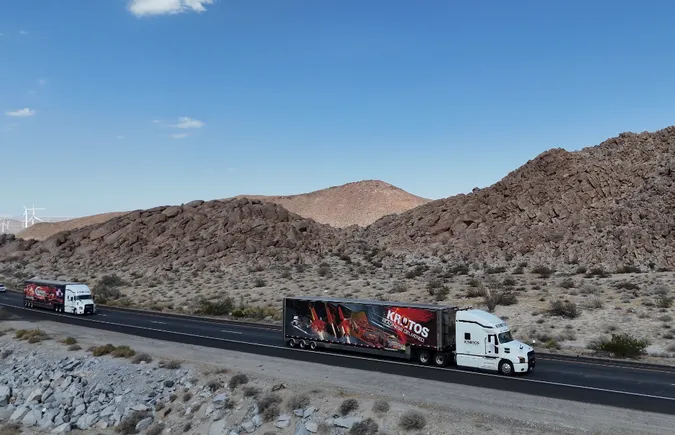
Kratos Defense & Security Solutions, in partnership with Champion Tire & Wheel, completed a round-trip cross-country platooning autonomous transport from June 12 to 26, delivering equipment for NASCAR events. The technology involved manned trucks electronically linked to following autonomous trucks, covering approximately 6,000 miles with an average of 10 driving hours per day. The company stated that this validated the feasibility of platooning technology in improving efficiency, expanding capacity, and alleviating driver shortages.
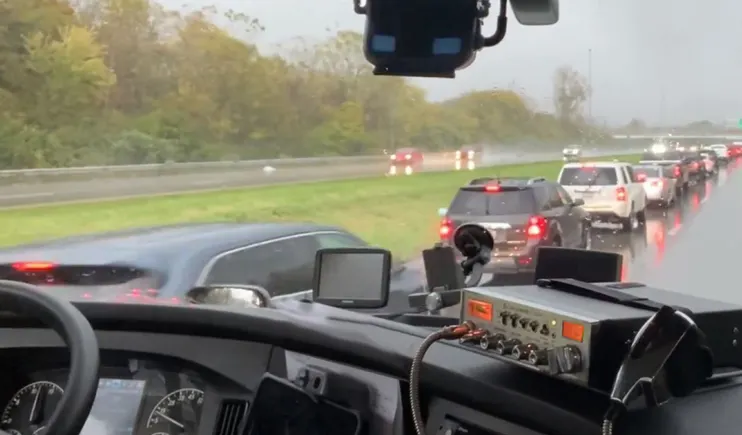
The American Transportation Research Institute (ATRI) announced on June 17 that it is inviting carriers to provide data to evaluate the potential positive impacts of in-cab cameras on safety and operational metrics. The study will collect new data following a 2022 survey and analyze strategies used by carriers and drivers to manage in-vehicle data. The submission deadline is July 24.
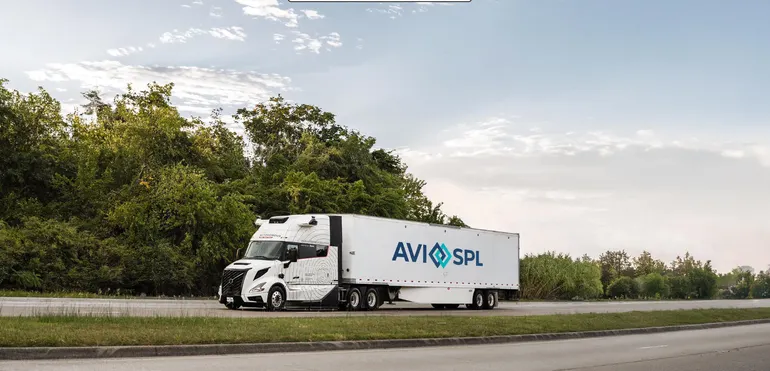
Volvo Autonomous Solutions announced the launch of commercial autonomous freight operations with AVI-SPL in Texas, running the Dallas to Houston route to transport high-value electronics. The route uses Aurora Innovation technology, initially with safety drivers on board, and plans to achieve fully driverless operations by 2027.
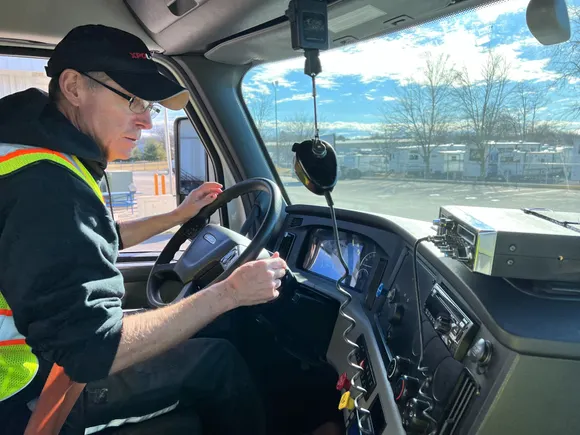
The American Transportation Research Institute (ATRI) issued a press release on June 4, calling on carriers and truck drivers to participate in a follow-up survey designed to assess the adoption and perception of onboard safety technologies. This survey is part of the second phase of the four-year TechCelerate project funded by the Federal Motor Carrier Safety Administration (FMCSA), and will compare baseline data from the initial phase to track the evolution of industry attitudes toward ADAS technologies.
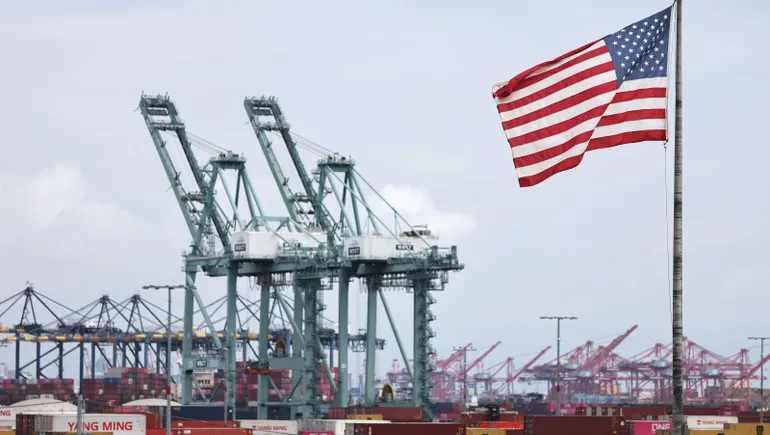
On June 12, the U.S. Department of Transportation announced the launch of the "American Supply Chain Sovereignty Initiative," aimed at accelerating cargo handling, reducing logistics costs, and strengthening the workforce. The initiative will introduce a high-visibility dashboard connecting ocean carriers, trucking companies, railroads, and retailers such as Walmart to major hubs like the Port of Los Angeles. Transportation Secretary Sean Duffy stated that this move will reduce delays and lower costs. The initiative builds on the FLOW data-sharing project launched in 2022 and plans to seek congressional authorization in the 2026 National Defense Authorization Act.
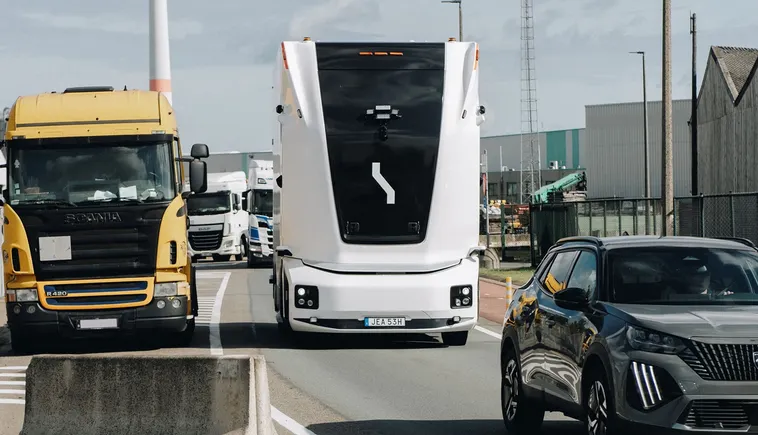
Einride, an electric and autonomous freight technology company, listed on Nasdaq on June 10 under the ticker symbol ENRD. The company went public through a merger with special purpose acquisition company Legato Merger Corp. III, with the post-merger valuation adjusted from the initially announced $1.8 billion to $1.35 billion.
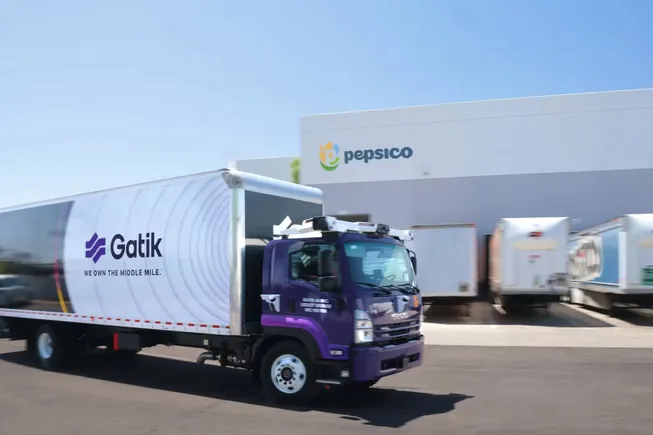
PepsiCo plans to expand the use of autonomous trucks in its North American supply chain through a multi-year partnership with Gatik, currently operating 41 autonomous trucks in Texas, Arizona, and Arkansas.
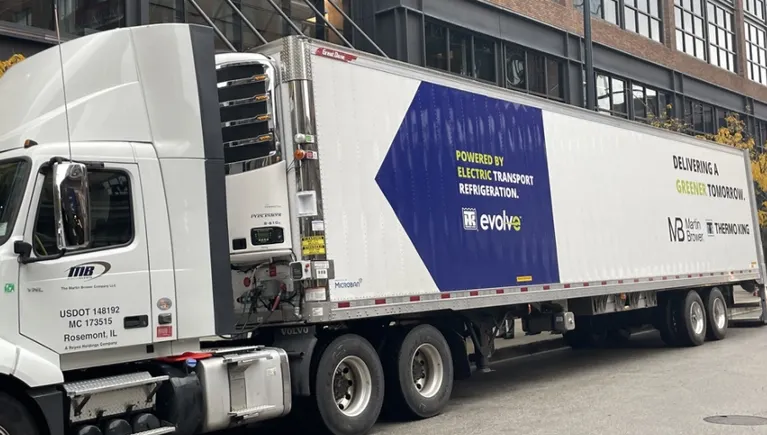
Fleets typically install telematics devices on tractors rather than trailers, but a shift is underway in the refrigerated container (reefer) sector. Industry experts point out that compliance requirements, cold chain regulations, and shippers' demand for visibility are driving reefer trailer telematics to become one of the fleet technologies with the clearest return on investment.
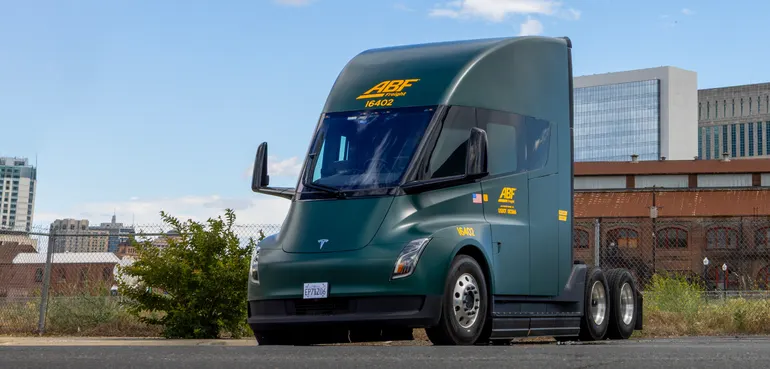
LTL carrier ABF Freight announced on Thursday that it has added two Tesla Semis to its fleet to evaluate long-term and scalable integration options. Initially, they will support California linehaul operations, with plans to expand to Reno, Nevada, and other routes. Company President Matt Godfrey stated that the move aims to test whether electric heavy-duty trucks meet the safety, reliability, and performance standards of the existing fleet. A previous three-week pilot in 2025 showed performance comparable to diesel trucks, but the company still needs a longer duration and broader operational scope to verify this.
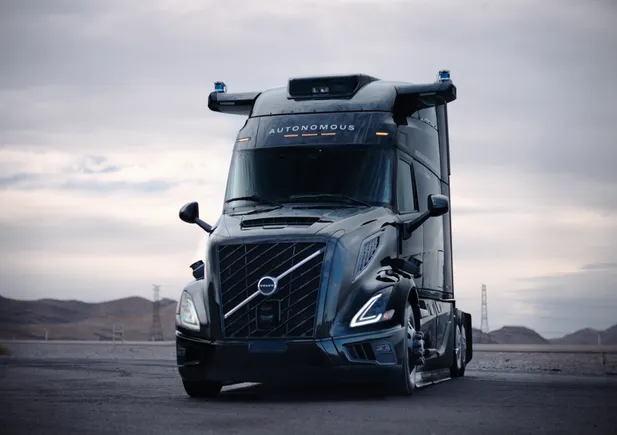
Volvo Autonomous Solutions, a subsidiary of the Volvo Group, announced at its Capital Markets Day event held in Sweden on Wednesday that it will remove safety drivers and achieve fully driverless operations on U.S. highways in the first quarter of 2027. Company President Nils Jaeger stated that more than 300 autonomous trucks will be in operation by the end of 2027, with industrial scaling entering in 2028.