


Latest news

Specs, the AR hardware development arm of Snap, announced a multi-year strategic partnership with Qualcomm. Qualcomm will supply Snapdragon XR chipsets to power Specs' upcoming AR glasses, scheduled to launch later this year. This marks the first strategic agreement for Specs since Snap spun it out into a separate business in January.

Snapchat 近期向广告主推介其 Snapcodes 二维码工具,称其能提供比通用二维码更沉浸、更具品牌感的互动体验。该功能自 2017 年起已向广告主开放,支持品牌将 Logo 嵌入码内、链接 AR 滤镜与专属内容,并提供更细化的效果分析。Snap 同时列举了零售促销、产品包装和电视广告三类典型用例,以说明 Snapcodes 在驱动用户响应上的潜力。

Snapchat reports that its public group Topic Chats are gaining traction, with the March Madness discussion attracting over 45,000 users and up to 40,000 concurrent participants. This marks a significant shift for the app, which has traditionally focused on private messaging, and could help broaden its appeal and drive growth.

Snapchat, in partnership with Ipsos US, surveyed 1,500 daily social media users aged 18-45 in the U.S. who are interested in health and wellness. The findings show that 95% of Snapchatters are actively engaged with health content, 58% use social channels to research complex health topics, and 61% compare brands or treatment options on social platforms. Snap positions the platform as a trusted space for health discussions, but the reliance on social media for medical information raises concerns.
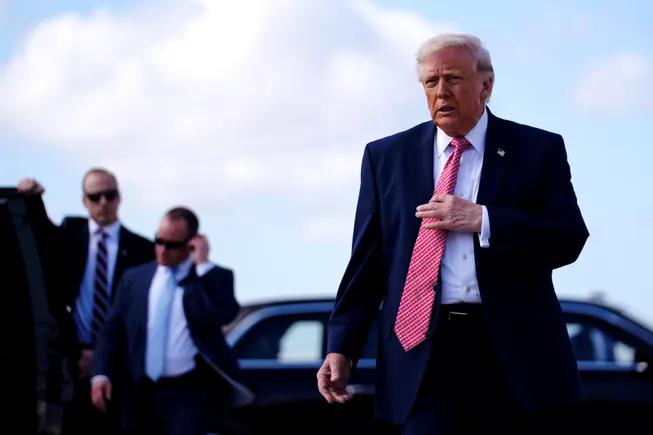
U.S. President Trump signed a proclamation adjusting the tariff calculation method for Section 232 on imports of steel, aluminum, copper, and derivative products. The new rules take effect on April 6: goods made almost entirely of these metals (such as steel coils and aluminum sheets) face a 50% tariff; derivative products substantially made of metals (such as semi-trailers) face a 25% tariff. UK products are subject to lower rates.

The Truck and Engine Manufacturers Association (EMA) has formally filed a motion to intervene in a lawsuit against the U.S. Environmental Protection Agency (EPA), supporting the EPA's repeal of the Phase 3 greenhouse gas standards for heavy-duty vehicles. The standards were originally scheduled to take effect in 2027, but the EPA recently rescinded the 2009 endangerment finding that served as the regulatory basis. Meanwhile, 24 states and multiple cities have filed lawsuits alleging that the EPA violated the Clean Air Act and Supreme Court precedent. EMA argues that the Phase 3 standards did not account for actual market demand and effectively mandated zero-emission vehicles, while environmental groups and state officials criticize the move as departing from scientific consensus and harming public health.
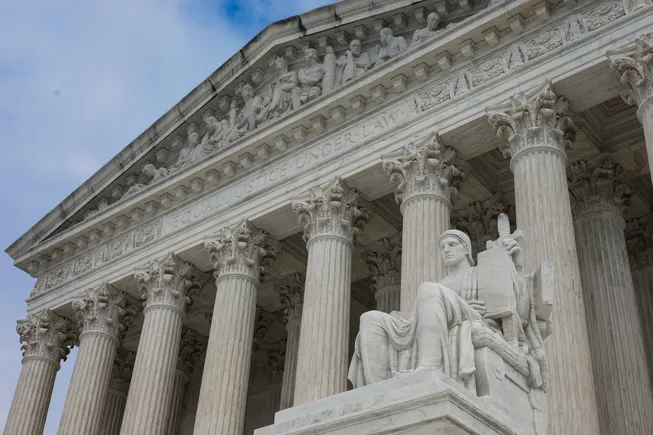
The U.S. Supreme Court is hearing Montgomery v. Caribe Transport II, where the central dispute is whether freight broker C.H. Robinson Worldwide should bear tort liability under state law for a carrier's safety negligence. The ruling will clarify the boundaries of federal law protection for brokers, potentially reshaping industry operating models and affecting the market position and rate structures of small carriers.

The Dalila Act, proposed in the U.S. Senate, would establish criminal and civil penalties for illegal immigrant residents who obtain or use commercial driver's licenses, and stipulate that the death penalty may apply in related fatal accidents.
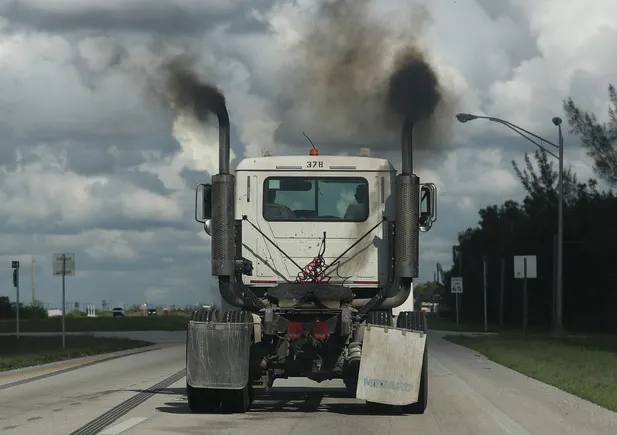
On March 27, the U.S. Environmental Protection Agency revoked the requirement that diesel equipment be equipped with diesel exhaust fluid (DEF) sensors, instead encouraging manufacturers to adopt nitrogen oxide sensor-based monitoring technology, including retrofits for existing equipment. This move was welcomed by trucking industry groups.

The U.S. House Transportation and Infrastructure Committee passed the Dalilah's Law amendment on March 18 by a vote of 35 to 26, which proposes making English proficiency a condition for issuing commercial driver's licenses (CDLs) and stipulates that non-compliant drivers will be taken out of service. The bill, introduced by Committee Chairman and North Carolina Republican Representative David Rouzer, aims to close loopholes in non-resident CDL programs and enhance safety oversight.